

If you manage a website or online content, you may have encountered link management tools. These resources assist you in monitoring all the links you use, simplifying the process of organization, analysis, and updates. Knowing what a link management tool is and how it can assist you can enhance the efficiency of your online work. Learn more about our solutions to streamline your link-building strategies with BacklinkManager.
What is a Link Management Tool? Here’s What You Need to Know – Summary
- Link management tools help monitor, organize, and update links efficiently.
- They offer features like link shortening, branded URLs, and advanced analytics.
- Such tools enhance SEO strategy by optimizing internal linking and user engagement.
- BacklinkManager provides comprehensive solutions for CRM, backlink monitoring, and client reporting.
- Try BacklinkManager to enhance your link-building efforts with advanced features and real-time tracking.

What is a Link Management Tool?
Link management tools assist in monitoring links and simplifying link building, helping businesses boost online visibility. These tools feature user-friendly dashboards for managing links and generating short URLs or branded links. They support custom domains and UTM tagging to track traffic sources in marketing campaigns. Through a link crawler, organizations can optimize internal linking and enhance their SEO strategy, leading to better visibility and brand recognition. BacklinkManager offers an automated system that monitors backlinks, ensuring real-time updates to maintain link integrity. Learn more about improving SEO with strategic internal linking here.
Furthermore, link management tools offer analytics and reporting features, enabling users to track web links and assess link performance based on impressions, conversions, and user experience. This data is important for making informed decisions that improve marketing strategies. The tools also facilitate collaboration, allowing teams to enhance productivity in their marketing efforts. Try BacklinkManager’s enhanced client reporting for detailed insights into your campaign progress.
For example, managers can create link-in-bio pages on social media platforms like Linktree or Rocketlink, effectively driving traffic to their content while monitoring performance metrics for ongoing enhancements. BacklinkManager’s capabilities in reciprocal link-building and link partnership management further streamline these processes.
Features of a Link Management Tool
Link Tracking
Link management tools assist in monitoring links to evaluate the effectiveness of marketing campaigns. For instance, they track short URLs generated with a URL shortener, making it easier to analyze engagement through impressions and conversions. They simplify link building while also enhancing visibility through branded links. By implementing UTM tagging, users gain insights into traffic sources and user behavior regarding their content. With BacklinkManager, easily track backlink status and maintain your link-building efforts.
Metrics such as click-through rates, user interactions on link-in-bio pages, and URL performance provide guidance for making informed decisions on SEO strategy and marketing efforts. Using BacklinkManager, align these decisions with your overall marketing goals.
Additionally, advanced analytics allow users to view the impact of each link on website analytics, boosting brand awareness. This ensures marketing materials are accurately assessed for productivity, aligning internal linking and keyword research with an overall marketing strategy. A user-friendly dashboard consolidates link data analytics, offering a clear view of link performance. Collaboration tools further support teamwork in managing links and enhancing user experience across social media platforms.
Link Shortening
Link shortening enhances user experience by generating shorter URLs that are easier to read and share, especially on social media where space is limited. Short links can result in higher click-through rates, as they appear cleaner and more appealing. However, there can be downsides, such as users being unsure of where the link leads, which may decrease trust. To address this, branded links can enhance brand awareness and assure users of the source’s familiarity. Use BacklinkManager’s link shortening tools to optimize your sharing strategy.
Link management tools provide features like link performance tracking and monitoring, which help marketers understand which URLs are most effective. This data is important for making informed decisions in their marketing strategy. By using advanced analytics, businesses can track web links along with their impressions and conversions, improving overall visibility management.
Additionally, tools for creating short URLs simplify link building and enable effective keyword research, boosting search engine optimization efforts. These resources streamline link management across marketing campaigns, improving collaboration and productivity within teams.
Analytics and Reporting
Analytics and reporting in link management tools provide ways to monitor links and track web links effectively. Important metrics include impressions, clicks, traffic, and conversions, allowing teams to see how their links perform. Custom dashboards offer user-friendly access to this data.
By leveraging these insights, teams can make informed decisions that influence future marketing strategies and link building efforts, such as refining SEO strategies or enhancing brand awareness through custom URLs. Reporting can be tailored for different roles—marketers might focus on user experience and campaign performance, while management might prefer high-level overviews of improved visibility and traffic sources.
For example, a link crawler can help track long URLs and short links, while UTM tagging is significant for analyzing marketing campaigns. With advanced analytics and collaboration tools, organizations can enhance productivity and visibility management, leading to better overall results in their strategy. Marketing becomes smoother with tools that simplify link building, like branded links or link-in-bio pages, supporting effective link management. BacklinkManager’s integration with CRM systems ensures seamless tracking and reporting.
Benefits of Using a Link Management Tool
Link management tools provide numerous benefits for tracking and analyzing link performance. They enable users to monitor links, track web links, and collect data on impressions and conversions, offering insights into marketing campaign effectiveness. For instance, a business can employ a link crawler to determine which URLs are excelling and which require enhancement, aiding informed decisions based on performance metrics.
These tools also streamline link building by allowing the creation of custom URLs and branded links.
Using a link management tool can greatly enhance a marketing strategy by increasing online visibility. With short URLs and UTM tagging, marketers can amplify brand awareness and manage links efficiently across various platforms, including social media and marketing materials. The user-friendly dashboard present in many tools simplifies collaboration within teams, boosting productivity.
Moreover, link management tools improve user experience by transforming long URLs into shorter, more accessible versions, thereby fostering user engagement. They may also provide advanced analytics and reporting features, which assist businesses in refining their SEO strategy and internal linking practices, resulting in enhanced website analytics.
Common Use Cases for Link Management
Businesses commonly use link management tools in various scenarios, such as tracking performance metrics of their marketing campaigns and monitoring links to improve online visibility. Different industries might tailor their use of these tools to achieve specific marketing goals, like using branded links for boosted brand awareness in retail or applying SEO strategies for improved search engine rankings in tech.
Link management enhances the user experience by simplifying link building and providing short URLs that make it easier for customers to access information. Tools can also support collaboration by allowing teams to manage links across marketing materials, implement UTM tagging for detailed website analytics, and track web links to understand traffic sources. Moreover, businesses can create custom URLs for link-in-bio pages on social media, improving engagement and conversions.
With features like advanced analytics and a user-friendly dashboard, these tools enable informed decisions that contribute to an effective marketing strategy and overall productivity. By applying internal linking and conducting keyword research, organizations enhance their approach and monitor link performance more effectively.
Top Link Management Tools in the Market
BacklinkManager
BacklinkManager is a comprehensive CRM tool designed to streamline link-building efforts for agencies and their clients. It offers a suite of features tailored to various aspects of backlink management, enhancing efficiency and collaboration. With BacklinkManager, you can easily monitor links, manage backlink requests, and generate detailed client reports. Try our automated link monitoring system for real-time updates and alerts.
Bitly

Link management tools assist users by generating short URLs from longer ones, making them easier to share on social media and marketing materials. For instance, a custom URL can enhance brand awareness and user experience. These tools also track links, enabling businesses to monitor traffic sources and user engagement. Features like UTM tagging help users collect data on their marketing campaigns, facilitating the analysis of performance metrics such as impressions and conversions.
Advanced analytics offer insights into link performance, aiding users in making informed decisions on their SEO strategy and marketing efforts. Furthermore, integration with CRM systems and collaboration tools simplifies link building, allowing users to manage links efficiently across multiple platforms. By using a user-friendly dashboard, businesses can boost productivity and enhance their online visibility.
This organized approach fosters an effective strategy and amplifies overall brand presence through enhanced visibility management and website analytics. Consider exploring strategies for optimizing link graphs for SEO for further insights.
TinyURL
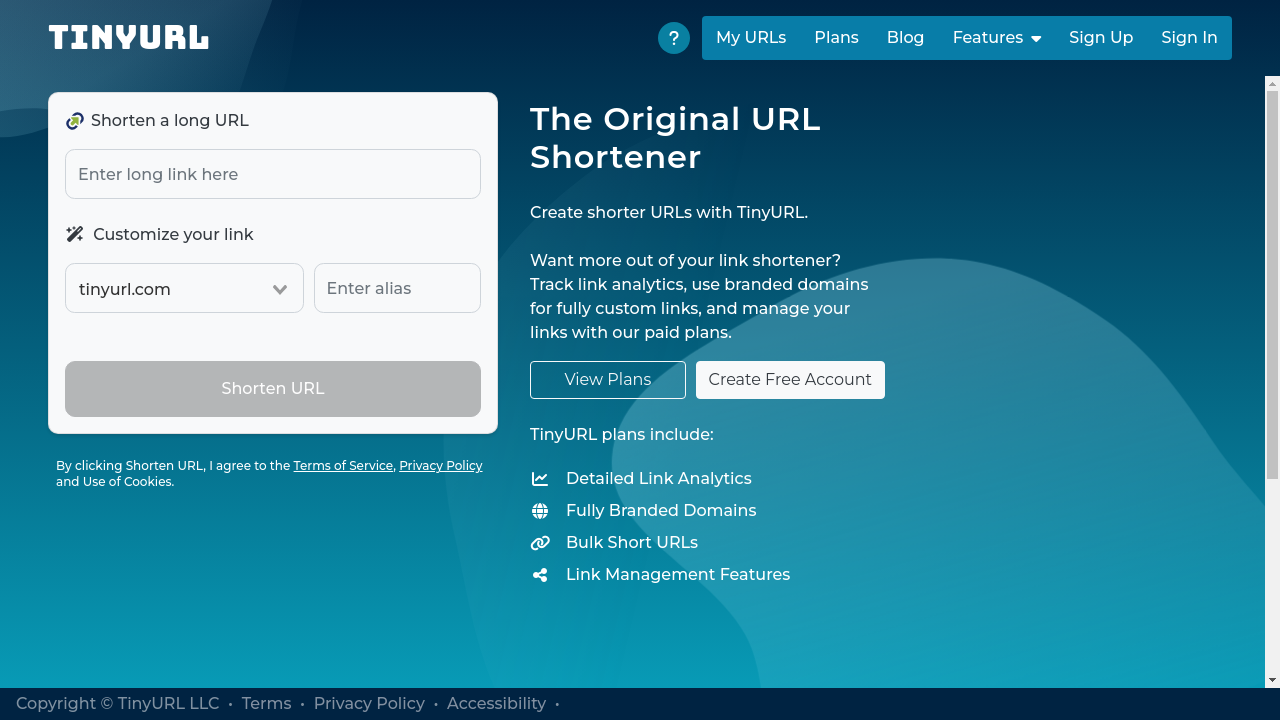
Link management tools, such as URL shorteners, assist in monitoring links and enhancing online presence. They simplify the process of sharing by converting lengthy URLs into shorter versions, making it easier to disseminate on social platforms and marketing materials. Features like custom URLs and branded links help increase brand recognition. A user-friendly dashboard facilitates efficient management of traffic sources and impressions.
These tools typically offer advanced analytics and reporting capabilities, providing insights that enable users to track web links and assess their performance. This data supports informed decision-making regarding marketing strategies and SEO. Businesses may find these tools beneficial for link management within CRM systems, conducting keyword research, or optimizing link-in-bio pages like those offered by linktree or rocketlink.
Moreover, enhanced visibility and link data analytics empower users to refine their marketing efforts and boost productivity. Whether used for online campaigns or internal linking, these management tools assist users in optimizing their strategy by effectively managing links and achieving measurable outcomes in conversions and overall traffic.
Rebrandly

Rebrandly is a link management tool that stands out by offering features like custom domains and branded links, helping users enhance brand awareness. Custom URLs allow businesses to create memorable links that reflect their identity. It also simplifies link building through easy-to-use interfaces and user-friendly dashboards, making the process more straightforward.
Rebrandly improves link tracking and analytics by providing detailed reporting features, such as monitoring links and tracking web link performance. Users can analyze data on traffic sources, impressions, and conversions, which supports better marketing decisions. Through advanced analytics, the tool helps users examine their marketing campaigns, including UTM tagging for detailed insights into each link’s performance. This information aids businesses in adjusting their SEO strategies and enhancing online visibility.
Additionally, features like link status and performance metrics allow teams to collaborate effectively, boosting productivity. By employing these tools, businesses can strengthen their online presence and make informed decisions about their strategy, ultimately enhancing their marketing tactics. For more information on contextual link-building strategies, visit our blog post.
What is a Link Management Tool? Its Importance
A link management tool helps users monitor links and manage their performance data. It provides features like URL shorteners, which turn long URLs into short links, improving user experience when sharing on social media or marketing campaigns. Businesses can also create branded links and custom URLs for better brand awareness. These tools simplify link building by supporting internal linking, UTM tagging, and keyword research, all of which boost online visibility and SEO strategy.
As marketing evolves, the need to track web links and link performance becomes significant. This helps businesses improve their strategy by analyzing traffic sources and user engagement through reporting features and advanced analytics. By using a user-friendly dashboard, organizations can collaborate effectively and make informed decisions based on performance metrics, like impressions and conversions. BacklinkManager offers a comprehensive solution for handling these tasks with ease.
Key Considerations When Choosing a Link Management Tool
Cost vs. Features
When selecting a link management tool, individuals should consider features such as a user-friendly dashboard, link performance tracking, and URL shorteners. Incorporating UTM tagging, branded links, and internal linking management can enhance visibility, while data analytics aid in understanding traffic sources and user experience.
The pricing of link management tools varies; some offer basic functionalities at a lower cost, while others provide advanced analytics and reporting features at a premium. Features justifying a higher price point include custom domains, link data analytics, and collaboration tools, which can enhance productivity and strengthen online presence. For instance, tools that provide insights into impressions and conversions help marketers refine their SEO strategies and marketing campaigns.
By effectively monitoring links and analyzing keyword research, users can make educated decisions about their online strategies, boosting brand awareness and improving link building efforts. Finding the right tool typically involves balancing required features with budget considerations.
Integration with Other Tools
Link management tools can integrate seamlessly with other marketing platforms, such as CRM systems and website analytics tools. This allows users to monitor and track web links accurately across various channels. A robust management tool should feature compatibility like API access, support for UTM tagging, and the capability to create custom URLs. These functionalities simplify link building and enhance visibility management within marketing campaigns.
By connecting with tools for keyword research and social media, users can effectively boost their online presence and brand awareness. Integration adds value through advanced analytics and reporting features, enabling teams to make informed decisions based on link performance data.
For example, using a user-friendly dashboard, marketers can quickly check traffic sources and evaluate how different links perform regarding impressions and conversions. Collaboration tools can further enhance productivity by allowing team members to manage links and share marketing materials efficiently. All these factors come together to create a more effective strategy for enhancing online visibility and optimizing search engine performance.
Tips for Effective Link Management
1. Organize Your Links
To organize links effectively, individuals can implement strategies such as using management tools that offer a user-friendly dashboard. These tools allow for monitoring links and tracking web addresses with ease. By categorizing links by topics or marketing campaigns, users can enhance their management, making it simpler to manage links based on specific needs. This simplification boosts online presence by improving visibility and assisting with link building efforts.
Labeling and tagging features, such as UTM tagging or custom URLs, improve searchability. With custom domains and branded links, users can track traffic sources and analyze link performance. This information aids in making informed decisions about their strategies. For instance, a website can use crawlers to improve internal linking and keyword research. The right management tool can also offer advanced analytics and reporting features, helping users understand performance metrics, impressions, and conversions.
Using short links to create appealing link-in-bio pages or marketing materials, individuals can enhance brand awareness, leading to improved productivity and an effective SEO strategy. Consider exploring our blog post for more insights on effectively organizing links.
2. Monitor Link Performance
To effectively monitor link performance, tracking metrics such as impressions, conversions, and traffic sources is important. Monitoring these metrics helps identify which links are enhancing online presence and improving visibility management. By analyzing link data analytics, businesses can make informed decisions for their future marketing strategy. For instance, if a short URL used in a social media campaign has high conversions, it indicates that users respond well to that particular link.
Tools like link crawlers and management tools simplify link building and allow for the easy creation of branded links or custom URLs. UTM tagging enhances website analytics by providing data on specific marketing campaigns, while link performance can also be monitored through advanced analytics and reporting features. These insights are significant for adjusting SEO strategy and boosting productivity in marketing efforts.
User-friendly dashboards from various link management tools enable users to assess performance metrics, ensuring efficient management of long URLs or short links on platforms like link-in-bio pages or link tree services.
3. Use Custom URLs
Custom URLs enhance brand recognition and increase user engagement by offering a specific web address that reflects the brand’s identity. For instance, a marketing campaign with branded links makes a URL unique and relatable, which can lead to improved click-through rates. Best practices for crafting effective custom URLs include keeping them concise and memorable, using relevant keywords to boost SEO, and avoiding unnecessary characters.
This approach simplifies link building and enhances user experience. When custom URLs are employed, they allow for more precise tracking and analytics through UTM tagging. This tagging delivers insights on traffic sources, improving website analytics and performance metrics. Monitoring link performance via these custom URLs enhances understanding of user behavior, informing decisions in marketing strategies.
The combination of increased visibility and sophisticated analytics enables businesses to closely monitor impressions and conversions, assisting in optimizing marketing efforts while raising brand awareness. To learn more about creating custom and effective URLs, check our guide.
4. Regularly Update Links
Regularly updating links is important for effective link management tools. Strategies to keep links relevant include using a link crawler to monitor links and regularly checking for broken URLs. This process can occur monthly or quarterly, depending on the website’s size and activity. Frequent reviews help improve visibility and boost online presence, which is significant for marketing and search engine optimization.
Outdated or broken links can hurt user experience, leading visitors away from the site and decreasing brand awareness. They can negatively affect performance metrics like conversions and impressions as search engines may rank a site lower with poor link health. Link data analytics provide insights that inform decisions on updating links, ensuring improved visibility management. Tools may also allow for advanced analytics and reporting features that help in tracking web links’ performance.
Custom domains and branded links enhance link-building strategies, while managing links effectively helps streamline marketing campaigns. Using short URLs and user-friendly dashboards improves user experience, ultimately supporting a strong strategy. For more detailed insights, visit our ultimate guide.
5. Analyze Click Data
Analyzing click data involves tracking web links to gather useful information like impressions, conversions, and traffic sources. By examining this data, one can see which links drive the most traffic and which ones are underperforming. This helps inform decisions for future marketing campaigns and boosts online presence. For instance, tracking short links can reveal how well a link performs on social media versus email newsletters.
Segmenting click data, such as using UTM tagging, provides insights into user experience and audience behavior, highlighting which groups engage more with custom URLs or branded links.
Additionally, management tools can assist in managing links effectively, offering features like a user-friendly dashboard with advanced analytics and reporting features. This contributes to improving productivity and enhances an organization’s strategy, promoting better internal linking and keyword research for search engine optimization. By continuously monitoring links and using performance metrics, businesses can refine their marketing approach and increase brand awareness over time. Consider our guide for actionable steps.
Link Management Best Practices
Link management tools offer ways to monitor links easily and keep them updated for the best performance. Regularly checking for broken links ensures that every link works, which boosts online presence. Using a link crawler can quickly find and fix issues, enhancing link management efficiency. Organizing links through short URLs and custom domains improves accessibility, simplifying link building for marketing campaigns.
Custom URLs can enhance user experience by making links easy to remember and share. Keeping track of important metrics, such as impressions and conversions, provides data that helps businesses evaluate link performance. This information is important for refining strategies and improving website analytics.
For example, evaluating traffic sources can inform decisions for future SEO strategies and marketing efforts. Using branded links or link-in-bio pages can further enhance brand awareness while tools with advanced analytics and reporting features enable users to analyze link data effectively. By integrating collaboration tools, teams can work together to manage links, enhancing productivity and visibility management in their strategy.
Conclusion
Link management tools assist users in monitoring links and managing their online presence. These tools simplify link building by enabling the creation of custom URLs and short links, making lengthy URLs more shareable. Many professionals leverage them to enhance visibility through social media, marketing campaigns, and website analytics. With features like UTM tagging and advanced analytics, businesses can track web links and collect data on traffic sources, impressions, and conversions.
An effective link management solution improves user experience while boosting brand awareness. It typically includes a user-friendly dashboard for performance metrics, allowing users to make informed decisions. When selecting a management tool, it’s important to consider collaboration features that support strategic initiatives and SEO. Options like branded links or link-in-bio pages offer customized solutions for clients. Try BacklinkManager to enhance your link-building efforts with our innovative platform. Start your free trial today!
FAQs
What is a link management tool and what does it do?
A link management tool tracks, organizes, and optimizes URLs for better marketing and SEO. It shortens links, monitors performance, and enhances visibility using analytics and branded links.
How can a link management tool improve SEO?
It helps track backlinks, detect broken links, and analyze competitor links. You can disavow toxic links, find guest posting opportunities, and boost rankings with better internal linking strategies.
What key features should I look for in a link management tool?
Essential features include link tracking, analytics, customizable short links, branded domains, QR code generation, and integrations with tools like Google Analytics.
Can a link management tool track broken links?
Yes, it scans and detects broken links, helping you fix them quickly to improve SEO and user experience. Tools like Bitly and Screaming Frog specialize in this.
What are some recommended link management tools?
Popular options include Bitly (link shortening & tracking), Rebrandly (branded links), TinyURL (simple shortening), and Linktree (multiple link sharing).
