

Are you dealing with broken links on your website? You’re not alone; this is a common challenge that can negatively impact your site’s performance. The Lost Link Recovery Tool can help you resolve these issues. This article will outline what the tool is, how it functions, and why it’s important for maintaining an effective website. Familiarizing yourself with this tool can enhance your online experience and ensure your site operates efficiently.
Understanding Lost Link Recovery Tool
Selecting a Lost Link Recovery Tool involves looking for features that monitor links and analyze link status, helping to identify lost or broken backlinks on a website. These tools can evaluate the impact of broken links on search visibility and overall online presence, showing users how these issues affect traffic and authority. By inputting a URL per line, the tool can check each page for broken links and valid URLs, while ignoring more than a set number to streamline the process.
To maximizethe benefits, users should regularly check for broken links and implement redirect tools to recover link equity. This allows clients to maintain their link building strategies and stay competitive. By tracking competitors’ backlinks, users can adjust their methods to improve link reclamation, ensuring that lost links are restored efficiently.
Importance of Link Reclamation in SEO
Link reclamation is significant for enhancing a website’s SEO performance by tackling lost or broken backlinks. When clients monitor links, they can identify the status of their link equity, discovering broken links that can negatively impact their online presence. Tools that analyze URLs allow clients to see which backlinks require attention. Redirects can effectively manage these broken backlinks by directing users to valid URLs.
This process helps preserve a website’s authority, keeping it competitive with others that may have more effective link-building strategies. By repairing broken links and reclaiming lost connections, websites maintain their search visibility. Effective link reclamation can also prevent potential traffic loss. If a website’s pages contain broken links, visitors may leave, ultimately affecting overall marketing goals. Monitoring tools can assist clients in focusing on the most pressing redirect issues by filtering out a certain number of broken links.
By addressing these disruptions, websites can enhance their search performance and ensure they remain attractive to search engines.
Lost Links: A Common Challenge for Websites
Websites often encounter issues with lost links due to broken pages, incorrect redirects, or changes in content that result in backlinks pointing to non-existent URLs. These broken backlinks can affect search visibility, as search engines tend to rank sites with stronger backlink profiles higher than their competitors. Without high-quality backlinks, clients may experience a decline in online traffic and user engagement.
To recover lost link value, website owners can employ monitoring tools to assess link status and identify which URLs are broken or missing. Entering each URL per line allows for efficient tracking, while disregarding more than a certain number of errors helps concentrate on the most urgent issues. Link reclamation approaches can also redirect good URLs to new content when necessary, helping to maintain authority and reduce disruptions.
By taking these actions, website owners can enhance their online presence and boost their SEO efforts, ensuring that lost links are addressed promptly and effectively.
Techniques for Using a Lost Link Recovery Tool
Identifying Lost Links
To effectively identify lost links on a website, it’s important to monitor links regularly and check their status to find broken or redirected links. Monitoring tools can assist in tracking these links, making it easier to identify lost backlinks that may influence a website’s search visibility. A recovery tool helps by analyzing URLs, allowing users to input multiple URLs per line while ignoring more than a set number of errors.
Evaluating metrics like the number of broken backlinks and their effect on link equity is significant when assessing the seriousness of lost links. Understanding link disruptions can show how competitors maintain authority and visibility while ensuring that clients’ effective URLs lead to relevant content on pages. By concentrating on fixing broken links, websites can improve their online presence and enhance their SEO efforts.
Analyzing the Impact of Lost Links on User Experience
Broken links can significantly affect a user’s ability to navigate and find relevant information on a website. When users encounter broken links or unwanted redirects, it can lead to frustration, resulting in a negative experience. This dissatisfaction may prompt them to leave the site, which in turn impacts its authority and visibility in search results. Websites should regularly check their links to identify any that are broken.
Tools are available to analyze links, helping to streamline the process of link reclamation. Overlooking broken links can damage a website’s online presence, particularly when competitors maintain functional URLs. Ensuring high-quality content is necessary, as non-functional pages can hinder user engagement. To mitigate issues from broken links, website owners should establish a system for monitoring links, making sure that each URL delivers valuable information. Using monitoring tools to examine URLs can assist in identifying problems early on.
Furthermore,implementing appropriate redirects for broken links can improve user satisfaction, safeguarding link equity and ensuring that users can navigate the site smoothly.
Benefits of Implementing Link Recovery Tools
Tracking Backlinks to Enhance Growth
Tracking backlinks can show how well a website is growing and how strong its SEO strategy is. By using monitoring tools, one can analyze link status and track broken backlinks or redirects to understand disruptions. If a client’s pages are losing link equity due to broken links, it can hurt their search visibility. Tools help find good URLs and display each URL per line, making it easier to manage. Ignoring more than a set number of broken links can simplify the recovery path.
This information is important for link reclamation, allowing clients to assess competitors and strategize. The data collected from monitoring lost links can provide insights into which content engages users, shaping future link building strategies. By fixing broken backlinks, a website can recover authority, leading to improved online presence. Ensuring that all links are functional supports growth potential and overall performance while keeping an eye on how search engines rank the website.
Improving Website Health Through Effective Tools
Effective tools can boost a website’s health by helping to monitor links and manage link status through ongoing tracking and analysis. By employing monitoring tools, site owners can find lost or broken backlinks that may disrupt the flow of link equity. These tools can analyze each URL individually and highlight broken links, allowing for quick link reclamation and redirection to functioning URLs.
Advanced analytics enhance website health by providing insights into link disruptions, showing howmany backlinks a site has compared to competitors, and indicating opportunities for improving search visibility. When implementing lost link recovery tools, it is important to ignore more than a certain number of broken links and focus on maintaining authority by fixing or replacing them promptly. This smooth integration supports effective link building, ensuring that content across pages remains accessible and interconnected.
By proactively addressing broken links, a website sustains a robust online presence and enhances its status with search engines.
Tips for Successful Link Building with Lost Link Recovery Tool
1. Use a Link Checker Regularly
When choosing a link checker for regular use, consider features like monitoring multiple links, analyzing link status, and reporting on lost and broken links. Tools should allow users to submit a URL per line and easily ignore a certain number of disruptions. It is advisable to schedule link checks at least once a month to keep the website healthy and performing well. This frequency helps quickly identify broken backlinks, enabling prompt reclamation through redirects or direct fixes.
Regular use of a link checker can improve a website’s authority and search visibility. Maintaining good URLs supports SEO efforts.
Additionally, analyzing link disruptions provides insights into competitors’ strategies and sharpens link-building efforts, ensuring a strong online presence and better link equity for content and pages.
2. Conduct Outreach for Recovery
When reaching out to recover lost or broken backlinks, it’s useful to monitor links and regularly check the status of website pages. Analyzing broken links and identifying good URLs for reclamation is important. Personalized communication can significantly enhance the chances of success. By addressing specific website owners with tailored messages about their content, the outreach becomes more engaging.
Including relevant information such as the location of broken links, examples, and suggesting redirect options shows thoughtfulness. Highlighting the value of the link, like boosting authority or enhancing search visibility, may encourage quicker responses. Providing clear instructions for resolving the issue, such as advising them to input URLs line by line to monitor disruptions, is beneficial.
Additionally, recommending useful tools for monitoring can foster a sense of collaboration, increasing the likelihood of a positive reply. This effort not only supports the outreach but also contributes to improving the overall online presence of both parties.
3. Utilize Broken Link Checker Features
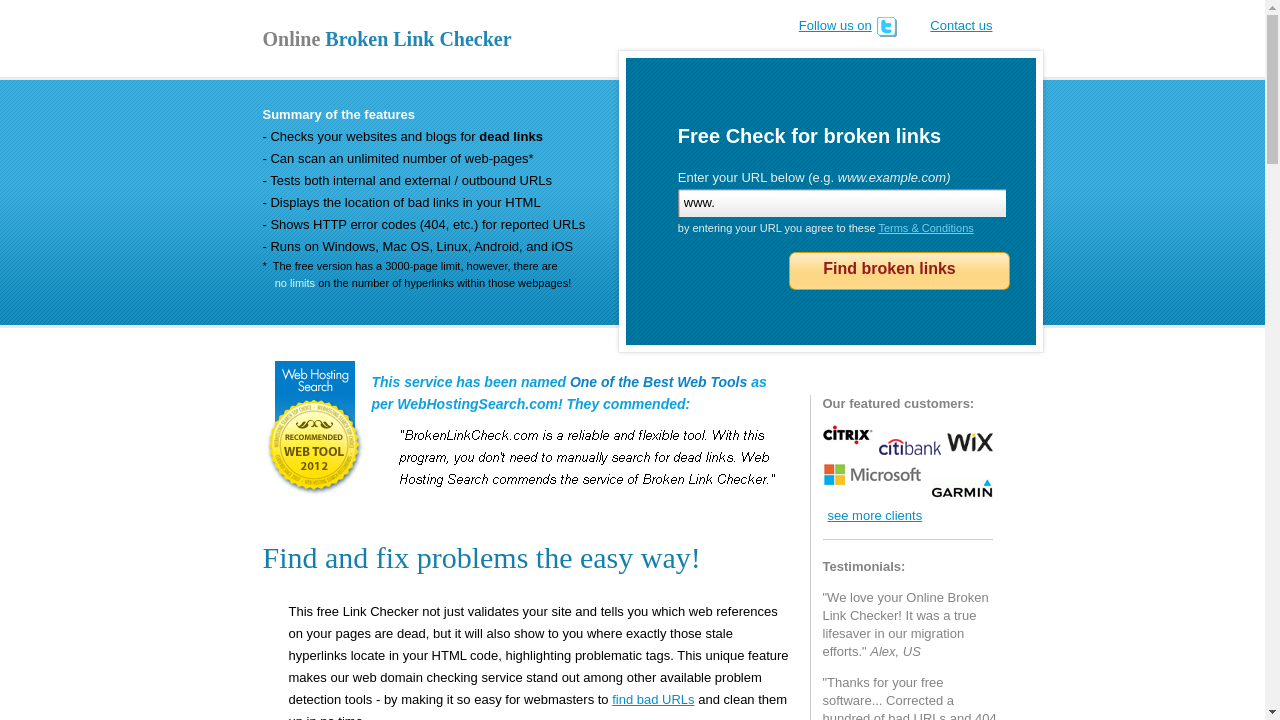
A broken link checker should have features that allow users to monitor links closely and analyze each link’s status. This includes the ability to list broken backlinks, redirect paths, and good URLs in an easy format, like one URL per line. This makes it simpler for users to identify lost or broken links on their website or content pages. Insights gained from monitoring tools can enhance a link reclamation strategy.
For instance, understanding which broken links affect search visibility can help clients prioritize recovery efforts based on authority and SEO benefits.
Additionally, these tools help track competitors to see where they might have gained link equity from broken links. Streamlining the process of identifying link disruptions allows users to fix broken links faster, leading to improved link building efforts. By ignoring more than a set number of broken links, users focus on the most impactful ones, maximizing their presence and search engine ranking.
4. Explore Ahref Alternatives for Comprehensive Analysis
Many alternatives to Ahrefs can effectively monitor links for businesses looking to improve their link reclamation efforts. These tools enable users to track link status, analyze broken backlinks, and identify good URLs that may still have authority. By collecting data on lost or broken links, clients can gain insight into how link disruptions affect their SEO and search visibility.
Features often include the ability to check each URL per line, ignore more than a set number of errors, and evaluate competitors’ backlinks, which helps users understand their own link building strategies. Some solutions even offer useful reports on redirects and how they may impact site health. By using these tools, users can enhance their recovery strategy, ensuring that any lost links are redirected appropriately, which can ultimately improve their online presence and maintain link equity.
This approach makes it easier to achieve better results in search engines, ensuring that important content and pages do not fall to the wayside due to broken links.
Related Tools and Resources for Link Reclamation
Many tools are effective for monitoring links and identifying broken or lost backlinks. These tools help analyze link status by checking URL links per line, allowing users to see which pages have broken links. They can also provide information on redirects, showing good URLs versus those that lead to errors. For clients looking to boost search visibility and authority, understanding link disruptions is important.
Online courses and forums offer valuable resources for mastering link reclamation strategies. These platforms allow individuals to connect with others and learn about best practices in recovering lost links, comparing techniques used by competitors, and exploring maintaining their online presence. SEO plugins also contribute to ongoing backlink management. They help monitor links, report broken links, and ensure that all redirects are functioning properly, which aids in preserving link equity.
By using these tools and resources, website owners can effectively reclaim lost links, enhance their content strategy, and improve overall search engine rankings.
Key takeaways
The Lost Link Recovery Tool is designed to help users restore broken hyperlinks within documents and websites. It systematically scans for dead or broken links and offers options for replacing or removing them, ensuring that content remains functional and up-to-date.
Features of the tool include its user-friendly interface, allowing for easy navigation and operation. Additionally, it supports various file formats, making it versatile for different applications, such as web content and office documents.
The tool operates by applying algorithms that identify and evaluate links against active web sources. It can also generate detailed reports on the status of links, providing insights into link performance and potential areas for improvement.
FAQ
What is the Lost Link Recovery Tool and how does it work?
The Lost Link Recovery Tool helps users restore broken links on their websites. It scans for missing links, provides suggested fixes, and allows users to easily update or remove them. For example, if a URL is outdated, the tool can suggest a new, relevant link to replace it.
Who can benefit from using the Lost Link Recovery Tool?
Website owners, digital marketers, and SEO professionals can benefit from the Lost Link Recovery Tool. For example, those seeking to reclaim lost backlinks, improve site authority, or enhance their SEO strategies can leverage this tool effectively.
What types of links can the Lost Link Recovery Tool recover?
The Lost Link Recovery Tool can recover broken links, redirects, and orphaned links. For example, it can fix links to outdated content or redirect traffic from deleted pages to relevant new content, ensuring SEO continuity and improved user experience.
Are there any fees associated with using the Lost Link Recovery Tool?
No, there are no fees associated with using the Lost Link Recovery Tool. You can access it for free to recover lost links, enabling you to restore your connections without any charges.
How can I get started with the Lost Link Recovery Tool?
To get started with the Lost Link Recovery Tool, first download and install the software. Next, launch the tool, select the directory to scan for lost links, and click “Start Scan.” Follow the prompts to recover your files or links quickly.


