

Monitoring backlinks is central to any serious SEO strategy, especially if you want your site to rank higher on Google. By keeping an eye on the links that point to your pages, you can maintain a healthy backlink profile and ensure that search engines trust your website.
In this comprehensive guide, we will demystify key concepts around referring domain, anchor text, and overall linking practices. We will also show how BacklinkManager.io can streamline your monitoring routine and empower you to steer your link-building efforts toward better SEO outcomes.
How to Monitor Backlinks for Better SEO – Summary
- Monitoring backlinks is a fundamental aspect of SEO, as search engines consider quality backlinks a vote of confidence in a website. Regular tracking helps maintain a healthy backlink profile, ensuring that only reputable links contribute to a site’s ranking.
- Failing to monitor backlinks can lead to ranking drops due to lost or low-quality links. Negative SEO practices, spammy links, and changes in link status (such as dofollow to nofollow) can go unnoticed, potentially harming search visibility.
- Using specialized tools simplifies backlink tracking by providing insights into referring domains, anchor texts, and link quality. Platforms like BacklinkManager.io offer real-time alerts, ensuring immediate awareness of critical changes that impact SEO performance.
- A robust backlink monitoring tool should provide detailed reports, categorize links, offer real-time updates, and integrate with keyword research data. These features allow businesses to analyze and optimize their linking strategy efficiently.
- BacklinkManager.io consolidates backlink data from multiple sources, offering a streamlined approach to tracking and managing link-building efforts. Its real-time scanning capabilities ensure that SEO professionals can address link-related issues promptly.
- Effective backlink tracking involves assessing factors such as domain authority, anchor text relevance, and the number of referring domains. Advanced solutions like BacklinkManager.io allow users to label, segment, and analyze backlinks for better SEO strategy alignment.
- Relying solely on manual checks is inefficient. Automated systems provide timely alerts on lost or altered links, helping businesses maintain control over their backlink profile while ensuring continuous SEO improvements.
- Understanding backlink trends helps refine content and outreach strategies. By analyzing anchor text distribution and link quality, SEO professionals can make informed decisions to enhance rankings and improve organic search visibility.
- Tracking competitor backlinks reveals new linking opportunities and industry trends. Learning from competitor strategies can help businesses secure high-authority references and stay competitive in search rankings.
- Regular monitoring, combined with manual reviews and automation, ensures a strong and resilient backlink profile. Staying proactive by disavowing harmful links and optimizing anchor texts prevents SEO setbacks and supports long-term growth.


Importance of Backlink Monitoring – Why Tracking Backlinks Is Crucial for Search Visibility
Tracking backlinks is crucial because it tells search engines that your site has endorsements from relevant domains. When links come from authoritative websites, the resulting vote of confidence can enhance SEO performance. However, if you accumulate spammy links or let your pages gain a reputation for spammy backlinks, you risk harming your standing.

By performing consistent checks, you can uncover suspicious links that might damage your backlink profile. These checks often involve a backlink checker or site explorer to see which domains are linking back, and whether those links follow the following parameters of quality, relevance, and trust. Making use of a free version of certain tools initially can help small businesses set up a baseline for future improvements.
Common Risks of Neglecting Backlink Monitoring
When you ignore monitoring, you fail to notice if a linking website suddenly changes to nofollow links, which might reduce the positive impact those links once had. Equally risky is missing out on big drops in authority when a link from a high-profile domain goes offline. You also risk letting your linking progress stall, allowing competitors to surpass you.
Without regularly inspecting your backlink profile, you can’t spot spammy backlinks or declines in the number of referring domains that boost your brand. Considering how Google and other sites update ranking factors, ignoring this aspect translates to missed opportunities and potential ranking losses.
Selecting the Right Tools for Backlink Monitoring
Finding the right toolkit can significantly streamline your backlink tracking process. A powerful solution should offer in-depth data about referring domains, link type (dofollow or nofollow), and anchor text distribution. Integration with keyword research features can further help you evaluate the effectiveness of your inbound links in relation to your target queries.

BacklinkManager.io, for instance, goes beyond basic reporting by providing real-time alerts whenever a critical link disappears or changes status. Coupling these capabilities with user-friendly dashboards and export options enables you to analyze link performance quickly—without juggling multiple platforms.
By choosing solutions that match your site’s scale and complexity, you ensure that your link analysis remains both accurate and actionable.
Essential Features in a Monitoring Solution
A high-quality backlink checker does more than just gather data. Effective tools provide details on referring domains, reveal if links are dofollow or nofollow, and highlight changes in your Ahrefs rank—all while presenting these findings in a user-friendly backlink report.

You also want tools that let you export data into a CSV file for deeper analysis. Look for real-time updates on new links and the ability to filter by anchor texts, domain authority, or specific pages. Additionally, advanced solutions offer keyword research insights to bolster your understanding of what drives the linking patterns behind your website.

Integrating BacklinkManager.io into Your Workflow
BacklinkManager.io offers a streamlined solution for monitoring your entire backlink profile, seamlessly merging data from various sources into a consolidated view. Unlike many free or siloed tools on the market, it delivers timely insights about each link’s status, category, and potential red flags.

Real-time scanning ensures that you’re never caught off-guard by a sudden rash of questionable references or large-scale link removals. Additionally, its robust interface allows you to dissect your referring domain landscape, pinpoint the anchor texts that best align with your keyword research, and gauge the overall health of your inbound references.
If you operate multiple websites or handle a variety of domains, BacklinkManager.io centralizes tracking to save you time. Moreover, you can export comprehensive reports in just a few clicks, enabling easier data sharing with teams or clients.

By adopting this tool, you transform your link oversight from haphazard checks into a polished, data-driven framework that keeps pace with the dynamic demands of SEO. This seamless integration not only alerts you to lost or spammy backlinks but also accentuates the strong references that drive real results for your brand.
Setting Up Effective Backlink Tracking
A carefully structured approach to backlink tracking begins with defining relevant metrics, including the number of referring domains, anchor text relevance, and the quality score of each linking site. Once you identify these metrics, you can configure automated alerts to notify you whenever critical shifts occur—like a major authority site linking to your pages or a sudden influx of suspicious links.

Many platforms, such as BacklinkManager.io, allow you to categorize and label links for more nuanced tracking. This categorization is crucial when your SEO strategy spans multiple campaigns or target keywords. Over time, consistent backlink tracking helps you build a dynamic database of link insights that highlight which tactics are delivering optimal results.
Configuring Basic and Advanced Metrics
Establishing a thorough tracking framework begins with identifying core metrics such as the total number of backlinks, the domain authority of each linking source, and which pages receive the bulk of these links. Nonetheless, advanced tracking goes deeper by examining the quality of anchor texts in relation to your keyword research efforts.

If you notice certain anchor phrases consistently delivering conversions or higher user engagement, you can reinforce that pattern in future outreach. In tandem, watch out for anomalies like disproportionate volumes of identical anchors, which can flag suspicious behavior to search engines. Some sophisticated tools, including BacklinkManager.io, let you label, classify, and annotate each link, giving you a structured vantage point for your entire backlink profile.
You can segment results by domain rating, link status (dofollow vs. nofollow), or date of acquisition. This organizational approach reduces confusion when referencing older data and sets you up for continuous optimization. By specifying these metrics beforehand, you establish a clear baseline that reveals exactly how your link ecosystem evolves over weeks and months.

Automating Alerts for Link Changes
Manual checks can be time-consuming. With an automated system in place, you get notified via regular email updates whenever your linking data changes drastically. This includes losing a valuable referring domain, detecting nofollow links, or identifying abrupt drops in your page authority.

BacklinkManager.io’s 24/7 monitoring system flags removed or altered links so you can take swift action. If you combine this with a site explorer that updates every few hours, you’ll have near real-time visibility into your backlink environment. Such prompt notifications mean you’ll never miss hidden issues like an unexpected delisting from a crucial linking website.
Analyzing and Interpreting Backlink Data
Collecting data is only half the battle; meaningful analysis is where you truly optimize your link-building efforts. Start by assessing the domains that link to you, determining whether they align with your niche, have good domain authority, or are susceptible to spam.
Next, examine anchor texts to ensure they’re relevant to your content and your targeted search terms. A disproportionate number of identical anchors can signal over-optimization, while a variety of descriptive anchors usually helps convey your site’s topical breadth to search engines.

By correlating data trends—like traffic spikes—with new inbound links, you can better attribute improvements in search visibility to specific backlink activities, shaping future campaigns for greater impact.
Evaluating Link Quality and Anchor Text Distribution
Data alone isn’t helpful unless you know how to interpret it. Examining each referring domain for its authority, relevance, and trustworthiness serves as the backbone of solid link analysis.
Factors such as site age, editorial standards, or subject matter alignment can indicate how beneficial these references are. An equally important dimension involves reviewing your anchor texts. Overly optimized terms might flag a manipulative linking scheme, while too many brand mentions or generic phrases like “click here” could minimize the specific SEO benefits of a link.

Achieving a balanced anchor distribution not only makes your profile appear more natural but can also strengthen your site’s focus on certain target keywords. By aligning your anchor text usage with your broader keyword research strategy, you create synergy between your content’s structure and the endorsements you receive from external domains.
Comprehensive solutions like BacklinkManager.io simplify these tasks by spotlighting outliers, helping you refine your approach to coax better results from each new or existing connection.

Identifying Harmful or Low-Quality Backlinks
Low-quality or outright harmful links can sneak up on even the most vigilant websites. A domain might seem reputable today and degrade tomorrow due to being sold or hijacked. Alternatively, you might become the target of negative SEO practices, with questionable references piling onto your site.
A thorough analysis reveals if these links come from link directories, thin-content blogs, or spam-laden networks. Swiftly addressing them helps prevent the infiltration of negative signals that degrade your brand authority or invite algorithmic penalties. Tools capable of organizing suspicious links or highlighting red flags facilitate your removal or disavowal process. BacklinkManager.io empowers you to conduct streamlined link audits, clarifying which references no longer align with your pages’ content quality or your brand’s integrity.
After carefully documenting each suspect link, you can either contact the linking website to request removal or, if unresponsive, file a disavow to Google. This preemptive approach sidesteps deeper issues like demotions in search rankings or a deteriorating backlink profile.
Leveraging Backlink Insights for SEO Strategy
Backlink insights offer a roadmap for refining your overall SEO approach. For example, if you notice that certain anchors consistently drive engaged traffic, you can use that intelligence to replicate success in other parts of your site. Likewise, high-performing domains in your backlink profile may be prime candidates for deepened partnerships—through guest posting, content collaborations, or influencer-driven strategies.

When combined with keyword research, backlink data reveals gaps where you can proactively seek new linking opportunities to bolster target pages. This adaptive mindset ensures that every link you earn is both contextually relevant and strategically meaningful, ultimately driving sustained improvements in search visibility.
Refining Anchor Text for Better Relevance
Armed with robust insights, you can refine your anchor strategy in a more calculated manner. By merging your keyword research data with information about which anchors typically yield beneficial results, you can bolster your site’s relevance to crucial topics.
That might involve adding partial-match anchors for specialized queries or broadening brand mentions to capture a wider audience. The aim is a harmonious ratio: enough diversity that search engines find it organic, yet enough focus that your site signals clear thematic specialization.

Each time a new anchor text aligns seamlessly with the context of the linking page, the reference becomes a potent ranking asset. As you chart out updates, track the performance of these refined anchors with a reliable platform like BacklinkManager.io. Over time, a thoughtful approach to anchor text can amplify your site’s credibility and domain authority, opening new windows of opportunity for capturing targeted traffic and outranking competitors.
Adjusting Your Link-Building Campaigns
Backlink data forms a bedrock for evaluating your existing link-building campaigns. If your analysis shows certain campaigns have netted mostly second-rate references or misaligned anchors, you can recalibrate your outreach.

On the other hand, campaigns that brought in high-quality connections—like endorsements from established industry domains—warrant further investment. Consistently reviewing this feedback loop helps you refine pitch templates, pinpoint the best topics for content collaboration, and discover sites open to link swaps or partnerships.
BacklinkManager.io’s structured reports help you see your campaign performance at a glance, showing how many reputable links you’ve gained, which anchor texts they utilized, and how each referring domain has impacted your traffic or conversions.
This clarity informs strategic decisions about scaling or trimming your approach. In a dynamic digital landscape, frequently adjusting your link-building approach ensures that your brand not only generates momentum but also remains resilient against unexpected shifts.

Advanced Techniques for Ongoing Link Monitoring
Beyond basic checks and routine audits, advanced link monitoring involves proactive tactics like competitor analysis and disavow management. Tracking competitor backlinks helps you discover industry-specific platforms or directories that could also link to your site, opening fresh avenues for outreach. Simultaneously, employing a disavow strategy guards your pages against toxic links that may arise from spam networks or negative SEO efforts.
Automated tools that monitor link velocity—how quickly new links appear—can signal sudden trends, such as viral content or suspicious link clusters. By integrating these sophisticated techniques, you maintain a dynamic watch over your backlink ecosystem, ensuring you can quickly adapt to emerging challenges and opportunities.
Disavowing Toxic Backlinks and Spammy Backlinks
Even if your site garners thousands of positive references, a few toxic connections can taint your entire backlink profile. These detrimental links might stem from unscrupulous link farms, auto-generated content farms, or malicious attempts to sabotage your brand. Disavowing them promptly through Google’s Search Console is crucial to safeguard your SEO.

Although it might feel drastic to sever these ties, it’s often necessary to maintain a spotless reputation in the eyes of major search engines. This step is especially relevant for those with large international audiences, where unpredictable local spam sites might attach themselves to your brand.
Tracking Competitor Backlinks and Industry Trends
Looking solely at your own site often provides an incomplete picture of the link ecosystem. Monitoring and analyzing the links that your competitors acquire can unearth fresh backlink opportunities and uncover tactics you hadn’t considered.
Checking how rival websites secure endorsements from well-known domain authorities or specialized community platforms can hint at specific angles you can replicate or outdo. Similarly, paying attention to new developments—like an emerging aggregator or a viral resource site—lets you capitalize on timely chances to garner your own valuable references.
In some cases, analyzing the anchor text used by top competitors helps refine your own approach, ensuring your brand remains top-of-mind within your industry. Armed with knowledge of competitor data, you can proactively adapt your link-building strategies, bridging the gap between your site and the front-runners on search engine results pages.

Avoiding Common Pitfalls and Ensuring Best Practices
While monitoring tools and strategies are invaluable, pitfalls can emerge if you rely on automation alone or neglect certain quality checks. A healthy process pairs real-time alerts with periodic manual reviews to catch subtle anchor text manipulations or shifts in referring domains’ authority. Similarly, scheduling consistent audits helps you spot gradual changes that a daily snapshot might miss—like a slow influx of low-quality links that could weaken your domain over time.
Equally important is staying responsive: if you identify suspicious activity, act swiftly by either contacting the linking site or adding the domain to your disavow file. Adhering to these best practices ensures your backlink management remains thorough and proactive, continually defending and enhancing your site’s SEO strength.

Keeping a Consistent Monitoring Schedule
Effective monitoring hinges on routine. If you only assess your backlink profile sporadically, you may miss a wave of spammy links or not notice when key references vanish. Maintaining a regular timetable—such as monthly or bi-weekly—lets you identify abrupt changes in the quality and quantity of your references. This vigilance extends to anchor text trends: you can spot if certain anchors are overused or if they drift away from the keywords you initially aimed to rank for.

Regular checks keep you agile and guard against the slow accumulation of negative signals, saving you from reactive measures later. Whether you manage a handful of niche domains or a broad network of sites, consistent reviews act as your best line of defense against unforeseen link crises.
Furthermore, scheduling these reviews helps you methodically track newly formed alliances and recently updated pages, ensuring you sustain synergy in your link-building endeavors.
Pairing Manual Checks with Automated Alerts
Although automation spares you time and ensures immediate notification of major link fluctuations, it’s not a total replacement for hands-on inspection. Automated systems can flag numerical shifts, but they might not fully capture the subtle context of each linking scenario.
For example, a slight tweak in anchor text from “professional services” to “cheap deals” might elude a standard threshold alert if the link remains intact. By pairing your automated tool with periodic manual spot-checks, you detect nuance that an algorithm may not interpret as critical.
This combination of human discernment and software-driven monitoring yields the fullest possible picture. You become adept at recognizing the synergy between anchor text patterns, how certain domains evolve, and what your competitors are doing.
In the end, this thorough approach propels you toward balanced, resilient strategies rooted in both data-driven decisions and real-world clarity.
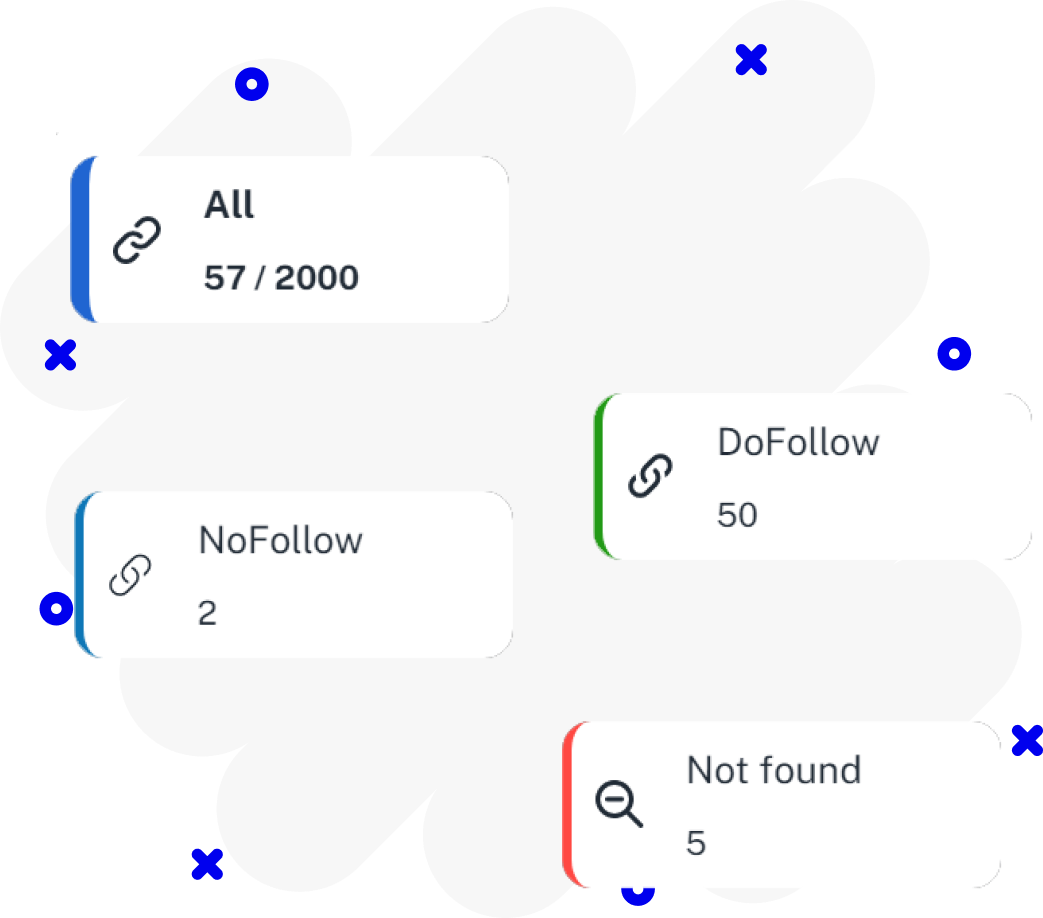
Monitoring backlinks is not merely about collecting data; it’s an ongoing effort that influences your site’s overall SEO health and visibility. By staying vigilant, you guard against negative influences while also propelling your brand forward through strategic partnerships and carefully chosen referring domains. The synergy between methodical link analysis and dynamic adaptation can be the difference between stagnant rankings and continuous growth in search engine results.

By leveraging advanced solutions like BacklinkManager.io, you streamline these processes—receiving timely alerts, curated analytics, and easy integration with your existing tool stack. Ultimately, the path forward involves consistent checks, thoughtful anchor text management, and the willingness to evolve your approach in response to data. Keep refining your routine, remain open to new link-building avenues, and use your insights from each oversight or triumph to create a future-proof presence that stands strong against algorithmic shifts and industry changes alike.
FAQs
What are monitor backlinks in monitoring systems?
Monitor backlinks are specialized references that help you track inbound links to your website under specific SEO metrics. Using a backlink checker or site explorer, you see how websites match the following parameters – quality, relevance, and authority. This data forms a backlink report used by small businesses to gauge link value. Many tools, including a free version, offer regular email updates about each new backlink, letting you optimize pages quickly. By checking most links, you can raise your Ahrefs rank and boost Google visibility for that page.
How do monitor backlinks help in monitoring performance?
Monitor backlinks helps measure how effectively your website ranks on Google by providing clear insights into inbound backlinks and each referring page. Many tools, a free version, let you observe how these references improve your pages’ authority. When websites with the most links endorse your content, it boosts your brand’s credibility and influences seo metrics. By comparing data in a backlink checker, you confirm if your site explorer stats align with traffic. This approach ensures better resource allocation, as you can remove low-value backlink sources and refine your outreach strategy.
What are the common misconceptions about monitor backlinks?
A misconception is that monitoring backlinks solely benefits large websites, yet small businesses also gain from checking each backlink for relevant pages. Some believe a single free version of certain tools cannot keep pace with the most links their website acquires, though many solutions handle high volumes effectively. Others assume Google automatically discards poor references without input, but you must actively review your data. By using a reliable backlink checker, you confirm if each referring page meets your brand’s quality. In reality, thorough oversight beats blind faith in external processes.
How can I create monitor backlinks for my monitoring system?
Creating monitor backlinks starts with choosing the right tools, such as a free version of specialized software. First, add your website and any key pages to see where websites place the most links. Then decide on the following parameters like anchor text, domain authority, or content relevance. These metrics guide how each backlink is tracked in your site explorer, helping you identify changes that might affect your Google rankings. Finally, set up notifications or backlink report exports so you’re always aware of vital updates, preventing unwanted surprises over time.
What are some best practices for utilizing monitor links effectively?
Effective monitoring backlinks usage begins by combining your data with relevant SEO insights. Rely on tools that update your website data frequently and track each backlink across essential pages. Subscribing to regular email updates ensures you never miss critical shifts in anchor text or domain authority. Also, compare free or paid versions of different site explorer platforms to find one that meets your needs. Aim to keep the most links from reputable websites, disavow low-quality references through Google, and review your progress with a routine backlink audit for consistent results.
How do nofollow links impact monitor backlinks?
Nofollow links can influence how you evaluate and monitor backlinks, particularly when using specialized tools. Although Google doesn’t always pass link equity through nofollow links, tracking them still matters for a complete website view. A free version of a site explorer may note these as neutral references, ensuring you see most links pointing to your pages. Analyzing each backlink using a backlink checker yields data on whether it meets certain SEO metrics. Ultimately, nofollow references sometimes drive indirect benefits, like traffic or brand visibility, making them worth monitoring.
Why is referring domain crucial for monitor backlinks?
The referring domain signals where your monitor backlinks originate, helping you assess each linking page or website for authority and relevance. When tools like a backlink checker or site explorers process the most links, they examine domain quality based on multiple factors, including user engagement and trust. By focusing on the referring domain in your backlink data, you follow the following parameters that Google uses to gauge link credibility. Even a free version of the software can highlight essential pages from high-authority websites, informing a well-rounded SEO strategy for stronger rankings.
