

For legal professionals looking to boost their online authority, building a strong backlink profile with high-quality, relevant links is essential.
This guide covers practical steps for monitoring and managing backlinks to ensure they’re adding real value, including tips for spotting and removing low-quality links that might impact rankings.
With tools like Backlink Manager, law firms can streamline the entire process—tracking link quality, protecting against toxic links, and maximizing the impact of each backlink to enhance visibility and credibility in a competitive industry.
Link Building for Legal Professionals – all you need to know:
-
- Law firms must monitor backlink quality to ensure their SEO profile remains strong and free from low-quality or spammy links.
- High-quality links from credible sources, like legal directories or industry publications, boost domain authority and search engine rankings.
- Toxic or irrelevant links can harm a law firm’s online credibility and may result in search engine penalties, so proactive monitoring is essential.
- Backlink Manager helps legal professionals simplify the backlink monitoring process by providing automated tracking, quality checks, and relationship management with linking partners, which is especially beneficial for managing links from multiple legal directories and sources.
- Regularly using tools like Google Search Console or Ahrefs aids in identifying both beneficial and harmful links, protecting SEO efforts.
- Removing harmful links through Google’s Disavow Tool can safeguard a law firm’s site from penalties and maintain a positive online reputation.


Understanding the Importance of Link Building for Lawyers and Legal Professionals
For lawyers and legal professionals, link building is a powerful tool for boosting online visibility and establishing credibility. Earning high-quality backlinks from reputable sites—especially those relevant to the legal industry—can drive more organic traffic and improve search engine rankings. Effective strategies include listing in trusted legal directories, writing guest posts for reputable sites, and collaborating with journalists who cover legal topics, all of which help build domain authority and reach a wider audience.

Creating useful, informative content on legal topics is another way to attract natural backlinks, as it positions legal professionals as industry authorities. Ensuring a balanced backlink profile that includes both do-follow and no-follow links strengthens link equity, while focusing on relevant domains and high domain ratings can make a law firm’s site more appealing to potential clients, increasing both visibility and conversion rates in a competitive market.
Link Building Strategies for Law Firms
Utilizing Legal Directories for Building Quality Backlinks

Legal directories are valuable tools for law firms and legal professionals aiming to build quality backlinks and enhance online visibility. Listing in reputable legal directories can strengthen your site’s authority by associating it with trusted resources in the industry, increasing the likelihood of driving relevant, organic traffic to your website.
Benefits of Legal Directories for link building:
- Enhanced Credibility and Authority: Directories such as Avvo, Justia, and FindLaw are well-regarded in the legal field and have high domain authority, meaning that links from these sites are recognized as trustworthy by search engines. A presence on these platforms signals to both search engines and potential clients that your practice is credible and reliable.
- Industry-Relevant Traffic: Legal directories target audiences specifically seeking legal services, so these backlinks not only boost SEO but also attract relevant visitors who are more likely to need legal help. This kind of targeted traffic can increase conversions, as directory users often have a higher intent to engage with legal professionals.
- Increased Local Visibility: Many legal directories have location-specific listings, making them particularly valuable for firms looking to improve their local SEO. Being listed in directories with city or state filters, such as Lawyers.com and Nolo, can imp
Implementing Guest Posting to Build Credible Backlinks
Guest posting is a strategic way to build high-quality backlinks by sharing valuable content on reputable sites. When you publish relevant articles on industry blogs, it not only boosts your visibility but also earns credible backlinks that enhance your site’s SEO.

Key Steps for Effective Guest Posting:
- Identify Relevant Blogs: Focus on respected sites in your field with high domain authority to maximize the SEO impact of your backlinks.
- Provide Value: Craft insightful, original content that aligns with the host site’s audience and positions you as an expert.
- Embed Natural Links: Add backlinks to your content naturally within the context, linking to resources or further reading on your site.
Guest posting allows you to reach new audiences, strengthen your online authority, and secure quality backlinks that support sustainable SEO growth.
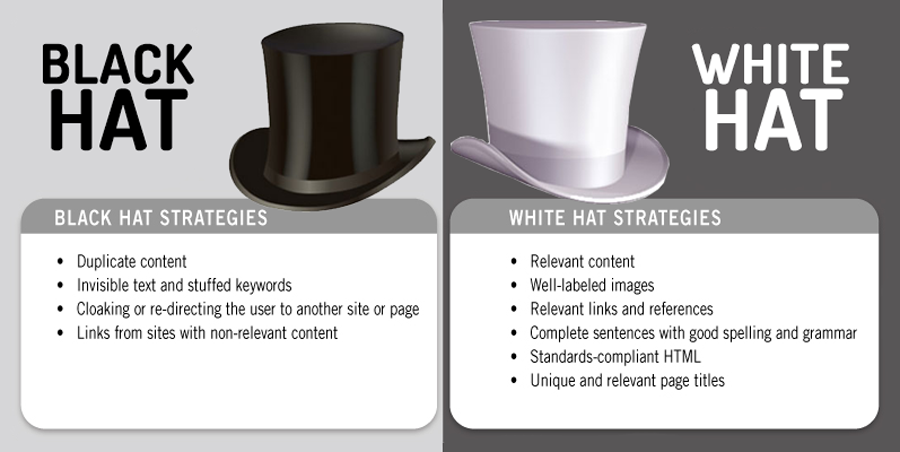
Creating White Hat Backlinks through Relevant Connections

Attracting Backlinks through Scholarships for Attorneys
Creating a scholarship program is a strategic way for attorneys and law firms to attract high-quality backlinks while giving back to the community. Scholarship programs are often featured on educational websites, news outlets, and local organizations, which boosts your online visibility and builds credible, white-hat backlinks from trusted domains.
- Design a Niche-Relevant Scholarship: Tailoring a scholarship specifically to law students or those interested in legal studies attracts the right audience and aligns with your brand. For example, a scholarship for “Future Leaders in Criminal Justice” or “Women in Law” will likely gain attention from universities and legal organizations, enhancing link quality and relevance.
- Reach Out to Educational Institutions and Legal Sites: After setting up the scholarship, reach out to colleges, universities, and legal platforms to share the opportunity. Many educational sites maintain dedicated pages for scholarships, making them likely to link back to your website as a resource, driving both SEO benefits and targeted traffic.
- Use Social Media and Press Releases: Promoting the scholarship through social media and a press release can increase visibility, encouraging more sites to feature the scholarship link. Additionally, local news outlets and niche legal sites may highlight the initiative, further expanding your backlink profile.
A well-planned scholarship program is a win-win, enhancing both your site’s authority through valuable backlinks and your firm’s reputation in the community.
Content Marketing and Link Building Strategies for Law Firms
Developing High-Quality Content to Attract Backlinks and Improve SEO
Content marketing can help law firms build authority and attract backlinks, driving better search rankings. Here are strategies to create valuable content that draws organic links.
1. Publish Comprehensive Legal Guides
Creating in-depth guides on topics like “Understanding Estate Planning” establishes your firm as an expert. Such guides attract backlinks from blogs or sites seeking credible legal sources.
- Example: A “Guide to Personal Injury Law” can attract backlinks from legal and client-focused sites, enhancing your site’s authority.
2. Write Client-Focused Blog Posts
Focus on posts answering common questions clients might have, like “What to Do After an Accident.” This content is likely to be shared and cited, drawing links from other sites.
- Tip: Provide step-by-step solutions to client issues, making the posts practical and shareable.

3. Share Original Research and Case Studies
Publishing unique insights, like trends in workers’ compensation cases, makes your content valuable for other law sites or news outlets, which often link to original data sources.
4. Cover Legal News and Updates
Content around current legal changes or cases attracts attention and backlinks from news outlets and industry sites, as people seek timely insights.
- Example: A post on “New Immigration Law Implications” can attract links from sources covering legislative changes.
5. Build a Resource Library
Offering templates or checklists (e.g., “Estate Planning Checklist”) can attract ongoing backlinks from sites and individuals who view your resources as helpful tools.
- Tip: Make resources downloadable to increase shareability and backlinks.
6. Use Guest Blogging and Directories
Guest posts on respected legal blogs and listings in high-quality directories expose your content to new audiences and earn credible backlinks.
Creating valuable, engaging content focused on client needs and industry insights helps law firms attract organic backlinks and boost their online authority.
Understanding the Importance of Diversifying Anchor Texts for Better SEO
Anchor text diversity is essential for law firms looking to improve SEO and avoid penalties. Anchor text—the clickable text of a hyperlink—signals to search engines what the linked page is about. Over-optimization, or using the same anchor text repeatedly, can harm rankings or even lead to penalties, as it can appear manipulative. By diversifying anchor texts, law firms can create a natural, balanced link profile that improves credibility and boosts search engine rankings.

Why anchor text diversity matters:
- Avoiding Over-Optimization Penalties: Repeatedly using the same keyword-rich anchor text, like “top personal injury lawyer,” can signal manipulation. Google prefers a natural link profile, so varying your anchor text reduces the risk of penalties. A mix of branded, generic, and long-tail anchor texts ensures your backlink profile appears organic.
- Improving Relevance and User Experience: Diverse anchor texts make it easier for search engines to understand your site’s content. For instance, linking to a “Family Law Services” page with related phrases such as “family law support,” “divorce guidance,” or “child custody lawyer” shows that your site covers multiple aspects of family law, boosting relevance for search engines.
- Attracting a Broader Range of Keywords: By diversifying anchor texts, law firms can rank for multiple search terms. For example, using variations like “legal consultation for estates” and “estate planning attorney” in anchor texts increases the likelihood of ranking for related keywords and attracting targeted traffic across a wider range of queries.
Practical Anchor Text Variations for Law Firms

- Branded Anchors: Use your law firm’s name, such as “Smith & Associates,” to build brand authority naturally.
- Keyword Variations: Avoid exact matches by using related terms, such as “experienced criminal defense lawyer” instead of just “criminal lawyer.”
- Generic Anchors: Phrases like “learn more,” “read the full article,” or “click here” diversify your anchor profile while keeping it natural.
- Long-Tail Anchors: Use specific phrases like “find a local divorce attorney in New York” to target more qualified, location-based search queries.
Diversifying anchor text can help legal professionals improve SEO, attract targeted traffic, and maintain a healthy link profile that meets search engine guidelines.
Monitoring Backlink Quality and Removing Toxic Links for Law Firms
For law firms, maintaining a high-quality backlink profile is critical to achieving strong SEO results and upholding online credibility. Backlinks from reputable sources can significantly enhance a law firm’s search engine rankings, but toxic or low-quality links—those from spammy, irrelevant, or low-authority websites—can drag down rankings and even lead to penalties from search engines.
Why Law Firms Need to Monitor Backlink Quality
- Protecting Site Authority: Backlinks from reputable, relevant sites (such as legal directories, government websites, or credible news outlets) boost domain authority, signaling to search engines that your site is a trusted resource. However, links from unrelated or low-quality sources (like link farms) can undermine this trust, harming your SEO efforts.

Effects of google penalties; Source: incrementors.com - Preventing Penalties: Google and other search engines are increasingly vigilant about penalizing sites with unnatural or manipulative link profiles. Law firms with too many spammy links may experience a sudden drop in rankings, as these links appear to be an attempt to manipulate search algorithms. Monitoring your backlink profile allows you to catch and remove harmful links proactively.
- Improving Link Relevance: Relevant links from industry-related sites, such as those from legal blogs or news articles on legal cases, are more impactful than generic links. Monitoring backlinks helps ensure you’re building meaningful connections that enhance your authority in the legal field.

Steps for Monitoring and Removing Toxic Links

- Use Backlink Analysis Tools: Regularly scan your backlink profile with tools like Google Search Console, Ahrefs, or Moz to identify links from questionable or low-quality sources. These tools offer insights into link quality, anchor text distribution, and referring domains, which are essential for tracking link performance.
- Evaluate Link Relevance: Determine whether each backlink aligns with your firm’s niche. For example, links from legal directories or industry-specific publications carry more weight than unrelated or low-authority sites. Aim for a backlink profile composed mainly of relevant and reputable sources.
- Disavow Toxic Links: If you identify harmful links, submit a disavow request through Google’s Disavow Tool. This tells Google to ignore those links, protecting your site from penalties. This step is crucial if your firm has accumulated links from irrelevant directories, spammy websites, or questionable sources over time.
- Build Positive Backlinks to Offset Risk: While removing toxic links is essential, building high-quality backlinks from respected legal publications, local news outlets, and professional networks strengthens your backlink profile. This combination not only improves rankings but also ensures your profile stays balanced.
Simplifying Link Monitoring and Management with Backlink Manager
Backlink Manager is a specialized tool designed to help law firms and other businesses manage their backlink profiles more effectively. It automates link monitoring, making it easier to track the quality of each link and swiftly address any that could harm your SEO.
Backlink Manager is particularly valuable for legal professionals managing multiple campaigns or directories, as it centralizes link data and automates critical tasks.

Key Features of Backlink Manager for Law Firms:
- Automated Link Quality Monitoring: Backlink Manager continuously monitors your backlinks for quality and relevance. It flags potentially toxic links, making it easy to address low-quality or harmful links before they impact your SEO.
- Detailed Reporting: Backlink Manager offers reporting tools that display metrics like do-follow/no-follow ratios, anchor text distribution, and link status. These insights are crucial for law firms aiming to maintain a healthy link profile and stay compliant with SEO best practices.
- Partnership Tracking: For firms that engage in link exchanges or guest posting, Backlink Manager tracks these relationships and provides real-time updates. This feature is particularly helpful for law firms working with multiple legal directories or partner sites, streamlining relationship management.
- Goal Tracking: Set link-building goals, such as gaining links from specific high-authority sites, and monitor progress within the platform. This helps law firms target high-value backlinks effectively, making your SEO strategy more focused and measurable.

For legal professionals, Backlink Manager simplifies the complex process of tracking, analyzing, and optimizing backlink profiles, helping improve rankings while safeguarding against toxic links. This ensures a balanced, high-quality backlink profile that builds authority and attracts relevant traffic in the highly competitive legal sector.
Summary
Monitoring backlink quality is vital for law firms that want to improve their SEO and avoid penalties from low-quality links.
Backlink Manager is a practical solution that streamlines backlink management, ensuring a strong, credible online presence.
FAQ
What is link building and why is it important for legal professionals?
Link building is the process of getting other websites to link back to your own. It is crucial for legal professionals because it can improve their website’s search engine ranking and credibility. For example, getting featured on reputable legal directories or guest posting on legal blogs can help build backlinks.
How can legal professionals effectively build quality backlinks for their website?
Legal professionals can build quality backlinks for their website by creating valuable content, such as blog posts or case studies, and reaching out to relevant websites for guest posting opportunities. They can also participate in industry forums and directories to increase visibility.
What are some strategies for acquiring high-quality links from authoritative legal websites?
Some strategies include creating high-quality content, reaching out to influencers in the legal industry for collaborations, and guest posting on reputable legal websites. Additionally, participating in online legal communities and forums can help build relationships and lead to potential link opportunities.
What are the potential risks of engaging in unethical link building practices?
Potential risks of engaging in unethical link building practices include penalties from search engines like Google, such as lower rankings, deindexing, or manual actions. This can harm website traffic, credibility, and online reputation.
How can legal professionals measure the effectiveness of their link building efforts?
Legal professionals can measure the effectiveness of their link building efforts by tracking the number of high-quality backlinks acquired from reputable websites, monitoring referral traffic from these links, and analyzing improvements in search engine rankings for targeted keywords.
