

Are you curious about black hat SEO and why some people still take the risk despite the warnings?
Black hat SEO may promise fast results, but it comes with major consequences.
In this article, we’ll walk you through everything you need to know about black hat SEO, from common tactics to how Google penalizes them, and more importantly, how to recover if you’ve been hit by a penalty.
Let’s dive in!
Black Hat SEO – all you need to know:
-
- Black Hat SEO involves unethical tactics like keyword stuffing, cloaking, and link farms, which can lead to severe penalties from search engines.
- Google regularly updates its algorithm to target and penalize Black Hat SEO practices, with the August 2024 Core Update focusing on promoting high-quality content from small and independent publishers.
- To recover from Black Hat penalties, conduct an SEO audit, remove toxic backlinks, and fix keyword stuffing issues.
- White Hat SEO emphasizes building backlinks through quality content and outreach, rather than manipulative tactics.
- Backlink Manager helps maintain a clean SEO profile by monitoring backlinks in real-time and automating outreach to webmasters.


Introduction to Black Hat SEO
Defining Black Hat SEO
Black Hat SEO refers to unethical methods used to manipulate search engine rankings. These techniques violate search engine guidelines, providing quick but temporary boosts in ranking.

Instead of prioritizing user experience and high-quality content, Black Hat tactics focus on deceiving search engines with practices like keyword stuffing, cloaking, and link farms.
The Consequences of Using Black Hat Tactics
Search engines, especially Google, are continuously improving their algorithms to identify these manipulative practices.
The penalties can range from a sudden drop in rankings to complete de-indexing of your website, effectively removing you from search engine results.
In extreme cases, manual penalties may require a complete overhaul of your site’s SEO.
Possible Consequences of Black Hat SEO:
- Significant drop in search rankings
- Loss of organic traffic
- De-indexing from Google and other search engines
- Manual penalties that take months to recover from
- Damaged website reputation and user trust
Common Black Hat SEO Techniques
Keyword Stuffing and Why It’s Problematic
Keyword stuffing involves cramming a web page with as many keywords as possible, making the content sound unnatural and repetitive.
This tactic used to work years ago, but search engines have since adapted, recognizing and penalizing over-optimization. Keyword stuffing compromises content quality, turning readers away and reducing engagement.

Example of Keyword Stuffing: “Our SEO services are the best SEO services to optimize SEO for your business SEO needs.
Instead of helping users, this makes content hard to read and devalues the user experience.
Cloaking: What It Is and Why Search Engines Penalize It
Cloaking is a deceptive tactic where the content presented to search engines is different from what users see.
While search engines may be shown optimized content, users might be shown irrelevant or even malicious content. This is a major violation of search engine policies, leading to penalties.
Real-World Example: A website presents a keyword-rich article about “best garden tools” to search engines but shows an advertisement for unrelated products to users.
Hidden Text and Links: Old but Risky
In the early days of SEO, webmasters would hide keywords or links by making them the same color as the background or using other methods to keep them invisible. Although this practice has largely disappeared, some websites still try it.
However, modern search engines can detect hidden elements and penalize websites for this deceptive practice.
Link Farms and Paid Links: Manipulating Backlinks Unethically
Link farms involve creating or using websites that exist solely to generate backlinks for other websites, artificially inflating the target site’s backlink profile. Search engines have become adept at recognizing unnatural link patterns and will penalize sites that participate in these schemes.

Similarly, buying links violates search engine guidelines and can result in significant penalties.
Bad Practice Example: A website pays for dozens of low-quality links from unrelated websites in an attempt to increase its domain authority.
PBNs (Private Blog Networks): Shortcut to Penalties
Private Blog Networks (PBNs) involve creating a network of websites that link back to a main site, aiming to increase its search engine ranking.

While this may seem like a clever trick, search engines have developed sophisticated tools to detect these patterns.
Once identified, all websites involved in the PBN can be penalized.
Why Black Hat SEO is Tempting
The Allure of Fast Results
Black Hat SEO promises fast results, which can be very tempting for businesses looking to see immediate improvements in their rankings.
The idea of quickly increasing traffic and beating competitors can lure many into using unethical practices.
However, these short-term gains often lead to long-term damage, especially when penalties are applied.
Short-Term Gains vs. Long-Term Damage
While Black Hat tactics can lead to quick gains, the risks far outweigh the rewards.
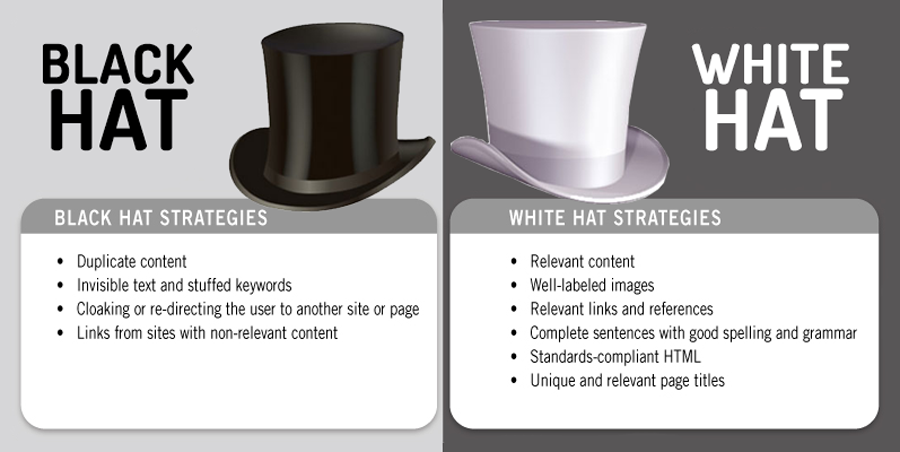
A website may see a brief spike in traffic, but once search engines detect the manipulative tactics, penalties can severely impact rankings and visibility.
Long-Term Impact:
- Penalties can take months to recover from, during which your organic traffic may disappear.
- Trust in your website may diminish as users encounter a poor experience.
The Role of Google Updates and Penalties
Google Algorithm Updates Targeting Black Hat SEO
In 2024, Google introduced significant algorithm updates targeting low-quality, manipulative content.
A key update in March 2024 particularly focused on penalizing websites that relied on AI-generated spam and low-quality content.
Over 800 websites were deindexed in the early stages of this update, leading to massive traffic and revenue losses for the affected sites. This update aligns with Google’s ongoing efforts to prioritize high-quality, human-generated content, reinforcing the importance of originality and relevance in SEO practices. Sites that relied heavily on keyword stuffing, link farms, or AI-generated content were hit hardest.

In addition, Google’s updates in 2024 have increased scrutiny of backlink profiles, ensuring that websites using unnatural link schemes face significant penalties (Source: Semrush; Search Engine Journal).
This ongoing emphasis on content quality and authentic SEO strategies is critical, making it essential for webmasters to maintain clean, ethical practices, such as white-hat link-building efforts and the creation of original, valuable content.
Manual vs. Algorithmic Penalties
There are two types of penalties websites can face: manual and algorithmic.
Manual penalties are applied by Google employees who review flagged websites, while algorithmic penalties occur automatically when Google’s algorithms detect Black Hat practices.
Both types of penalties can severely affect your site’s visibility and take months to recover from.
How to Recover from Black Hat SEO Penalties
Conducting a Black Hat SEO Audit
If your site has been penalized, the first step is conducting an audit. Use tools like Google Search Console and Ahrefs to identify potential issues such as toxic backlinks, keyword stuffing, or cloaking.
Once you’ve identified the problems, create a plan to fix them.
Removing or Disavowing Toxic Backlinks
Toxic backlinks from link farms or low-quality sites can damage your SEO. Use tools like Backlink Manager to track and disavow these links. You can submit a disavow file to Google, asking them to ignore these harmful links.

Steps to Disavow Backlinks:
- Use Backlink Manager or Ahrefs to identify toxic backlinks.
- Create a disavow file listing these links.
- Submit the disavow file to Google through Google Search Console.
Fixing Keyword Stuffing and Content Issues
If your content suffers from keyword stuffing, revise it to focus on natural language and user-friendly content.
Make sure your content provides real value to readers and aligns with their search intent.
Update your meta tags and descriptions to remove unnecessary keyword repetitions.
Why White Hat SEO is the Sustainable Approach
Building Organic Backlinks the Right Way
Rather than using unethical practices, focus on building backlinks through quality content and outreach. Organic backlinks come from websites that trust your content as a valuable resource. Start by publishing detailed articles, infographics, or guides that offer insights others want to link to.

Build relationships with influencers and guest post on authoritative sites within your niche to attract natural backlinks.
Example: If you run a digital marketing blog, writing a case study on how a new social media algorithm impacts traffic could attract attention from other marketing websites.
Ethical Keyword Optimization for Better Rankings
Instead of keyword stuffing, keyword optimization involves researching what your audience is searching for and providing relevant answers in your content.
Tools like Yoast SEO help you integrate keywords naturally by offering tips on how to improve readability and keyword density.

Practical Step: Focus on long-tail keywords, which are more specific and tend to have less competition. For example, instead of targeting “SEO,” you could target “local SEO strategies for small businesses.”
Focusing on User Experience
Google prioritizes websites that offer a good user experience.
To ensure your site ranks well, focus on making it user-friendly, fast-loading, and mobile-optimized. Pages that are easy to navigate and offer clear, actionable content tend to perform better.
Incorporate images, videos, and other interactive elements that engage users and keep them on your page longer, signaling to Google that your content is valuable.
Leveraging Backlink Manager for a Clean SEO Profile
Monitoring and Managing Backlinks in Real-Time
Backlink Manager simplifies tracking and managing backlinks by providing real-time alerts when backlinks are broken, misdirected, or pointing to outdated pages. This allows you to maintain a healthy backlink profile, ensuring your site’s SEO value is intact.

Example: Imagine noticing that a high-authority backlink is no longer pointing to your updated content. With Backlink Manager, you’ll receive an immediate alert and can take action quickly.
Identifying and Removing Toxic or Spammy Links
Backlink Manager’s detailed reports help you identify spammy or low-quality backlinks that could be hurting your rankings. By quickly disavowing these toxic links, you prevent penalties from search engines.
Steps to Remove Harmful Links:
- Use Backlink Manager to identify potentially harmful backlinks.
- Add those links to a disavow file.
- Submit the disavow file to Google Search Console to ensure Google ignores those links in your SEO calculations.
Automating Outreach for High-Quality Link Building
One of the key features of Backlink Manager is its automated outreach tool. This feature helps you contact webmasters efficiently when you need to update links or build new relationships for link-building opportunities.

By streamlining communication, you can spend more time crafting content that earns natural backlinks.
How to Use:
- Identify high-quality links that need updates or relationship building.
- Use Backlink Manager’s automated outreach feature to send personalized requests.
- Track the progress of each request and maintain communication with webmasters.
Additional Features of Backlink Manager:
- Backlink Health Reports: Get insights into which links are contributing to your SEO success and which need attention.
- 301 Redirect Management: Redirect outdated links to new pages, ensuring you don’t lose any SEO value when you update or migrate content.
- Organized Backlink Tracking: Monitor backlinks by project or client for more efficient management.
Summary
White Hat SEO offers a sustainable, long-term approach to improving rankings by focusing on high-quality content, ethical keyword optimization, and a good user experience.
Tools like Backlink Manager help you maintain a clean backlink profile by monitoring links in real-time, identifying toxic backlinks, and automating outreach to build new connections.
With consistent efforts, your website will see steady SEO improvements without risking penalties.
FAQ
What is Black Hat SEO?
Black Hat SEO refers to unethical techniques used to manipulate search engine rankings. Examples include keyword stuffing, cloaking, and buying links. These practices can result in penalties from search engines.
Why is Black Hat SEO considered unethical?
Black Hat SEO is considered unethical because it involves using deceptive tactics to manipulate search engines, resulting in a poor user experience and violating search engine guidelines. Examples include keyword stuffing, cloaking, and buying links.
What are some common Black Hat SEO techniques?
Common Black Hat SEO techniques include keyword stuffing, hidden text, cloaking, and buying links. These practices violate search engine guidelines and can result in penalties.
What are the risks of using Black Hat SEO?
The risks of using Black Hat SEO include getting penalized by search engines, such as Google, which can decrease rankings or result in removal from search results. Examples include keyword stuffing, cloaking, and buying links.
How can I avoid falling victim to Black Hat SEO tactics?
Regularly monitor your website for any suspicious activity, focus on producing high-quality and relevant content, and build backlinks from reputable sources. Additionally, stay up-to-date with search engine guidelines to ensure compliance.
